

Tips for Getting the Most Out of Your Air Compressor
For anyone who has ever faced challenges with their air compressor, understanding its full potential can significantly enhance efficiency. While many users experience frustrations such as low pressure or inadequate power, knowing how to optimize your air compressor can make a substantial difference. With the right guidance, even novice users can avoid common pitfalls and maximize output. This article details practical tips to help you leverage your air compressor effectively, whether you work in automotive repair or DIY home projects. With insights from leading Air Compressor Manufacturers like JK Drilling, we will outline strategies to ensure optimal performance and longevity.
1. Regular Maintenance is Key
Why: Routine maintenance can prevent costly repairs and extend the life of your air compressor.
Operation Method: Check and change the oil every 300 hours of operation and inspect air filters monthly. Clean or replace filters as necessary, ensuring you keep the air intake unobstructed. Maintain the compressor unit by checking for wear and addressing leaks promptly.
Best For: This technique is suitable for both professional settings and casual users who want to ensure reliability over time.
Key Points: Regular maintenance can extend compressor life by 30% and improve efficiency by 10%.
2. Choose the Right Accessories
Why: Using compatible accessories enhances performance and prevents damage.
Operation Method: Always use air hoses, nozzles, and fittings recommended by the manufacturer. For optimal pressure, a hose diameter that matches your compressor output is essential, as undersized hoses can reduce airflow by up to 30%.
Best For: This is particularly beneficial for users who require specific pressure outputs for tasks such as spray painting or powering pneumatic tools.
Key Points: The right accessories can improve efficiency and performance by increasing air delivery rates by 50%.
3. Optimize Air Pressure Settings
Why: Incorrect pressure settings can lead to inefficiency and damage tools.
Operation Method: Familiarize yourself with the specific pressure requirements for your tools and adjust the air compressor settings accordingly. Most tools function effectively within a 90-120 PSI range, but always verify with the manufacturer's specifications.
Best For: This technique is crucial for professionals who frequently switch between different pneumatic tools and need precise air pressure adjustments.
Key Points: Setting the correct air pressure can lead to efficiency gains of 15% to 20% in tool performance.
4. Drain the Air Tank Regularly
Why: Moisture accumulation in the tank can cause corrosion and component failure.
Operation Method: At the end of each day or after extensive use, open the drain valve on the air tank to release moisture. Ensure the compressor is turned off, and take appropriate safety measures to avoid accidents.
Best For: This is essential for all users, especially in humid environments where condensation occurs frequently.
Key Points: Regular drainage can prevent water damage, extending the life expectancy of the compressor by up to 25%.
5. Store Your Air Compressor Properly
Why: Proper storage protects your unit from damage and environmental factors.
Operation Method: Store the air compressor in a dry, temperature-controlled environment. Cover it to protect against dust and debris, and ensure it is placed on a stable surface to avoid tipping.
Best For: This tip is beneficial for users who use their compressor infrequently or transport it frequently.
Key Points: Proper storage can minimize the risk of operational issues by up to 75% during periods of inactivity.
Frequently Asked Questions (FAQ)
What type of oil is best for my air compressor?
It's best to use the oil type specified in the user manual. Generally, synthetic oils offer better protection and performance in high-temperature conditions.
How often should I change the air filter?
You should inspect the air filter monthly and replace it as needed, particularly if you notice pressure drops or a decrease in performance.
Why does my air compressor keep shutting off?
This could be due to overheating, pressure setting limits, or issues with the motor. Check for clogs, ensure maintenance schedules are followed, and inspect for mechanical faults.
Implementing these tips not only enhances the performance of your air compressor but also maximizes its lifespan and efficiency. By adhering to manufacturer recommendations and leveraging best practices, you can ensure your air compressor serves you well for many years. Remember, quality matters—consider reputable brands like JK Drilling for reliable products and support in your air compression needs.
 Previous: None

-
 Star product JK730 upgraded
Jun. 19, 2018
Star product JK730 upgraded
Jun. 19, 2018 -
 JK Drilling shining at BICES 2017
Jun. 04, 2018
JK Drilling shining at BICES 2017
Jun. 04, 2018
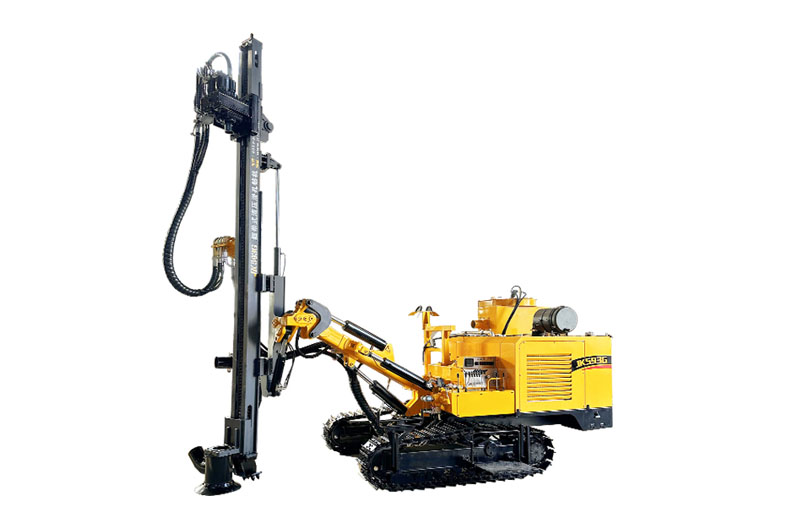
- JK593G Surface Drilling Rig for Drilling Blasthole & Photovol...
- JK830RC Reverse Circulation Drilling Rig
- JKS500F CRAWLER-MOUNTED REVERSE CIRCUL ...
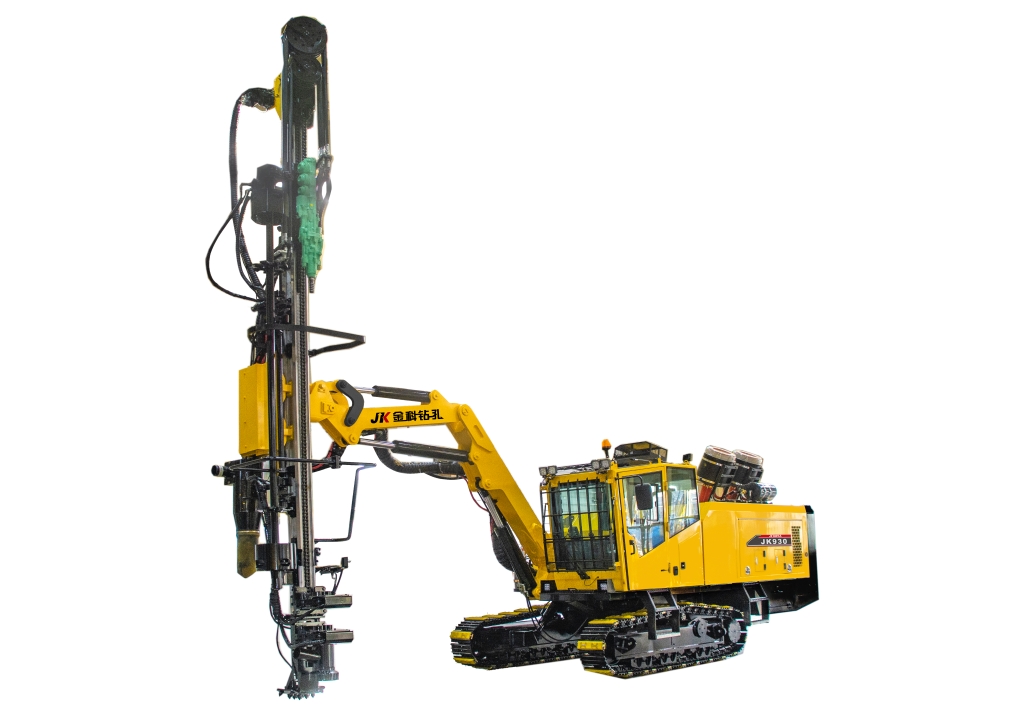
- JK930 Integrated fully hydraulic open-pit Top Hammer Drill Rig


Copyright © Zhangjiakou Xuanhua Jinke Drilling Machinery Co., Ltd. All Rights Reserved | Sitemap


